From the NEMA Fellow
By Ali Kane, Executive & Advancement Assistant, Tower Hill Botanic Garden
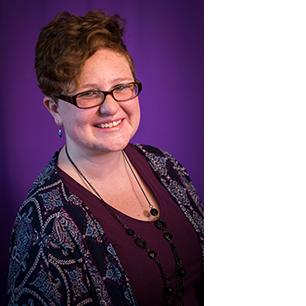
Ali Kane is the 2017/18 NEMA Fellow. As part of the fellowship Ali is writing a series of articles for the NEMA community. Here are her reflections on recent NEMA conference.
I was attracted to the nonprofit sector by one simple concept: I like working in a place where people with diverse sets of skills come together around a common goal. Every museum, university, or social service institution I have worked at is enhanced by the variety of people who elect to dedicate their work to a mission that serves the community over a bottom line. During the annual conference of the New England Museum Association, it was apparent that it truly is the people behind-the-scenes who make our region so vibrant with arts and cultural institutions.
Throughout the week, I was amazed by my thoughtful colleagues across the region. Each session I attended was improved by individuals eager to share their experiences, both struggles and victories, at their institutions, working to innovate in a rapidly changing world. It was rewarding to benefit from the care, honesty, and even vulnerability participants brought to the table in these discussions.
The Think Tank session on Friday morning perfectly captured these elements. As we worked together to discuss the many facets of the ethical dilemmas and difficult choices our brethren in the Berkshires are facing, I recognized the compassion alongside the critique. At our table, we discussed other museums who had encountered financial issues, choosing between closure, merging, and buy-outs. We considered the reality that our own museums could one day face similar challenges, forced to face the same circumstances of outdated program models and changing geographic and economic landscapes resulting in deaccessioning. While the media and the public have the luxury of being hyper-critical, as museums, we understand the complexities of nonprofit business. With this knowledge, the think tank session resulted in discussing the complexities of deaccessioning with increased care.
We paid the same consideration to another important, sensitive issue; consideration that is four hundred years overdue: the decolonization of museums. For most of American history, society at large has erased the Native American story from the narrative of America, defining them as a people who existed once upon a time. As museums, we must support the Native community in being written back in. Museums who are already documenting parts of American history can begin to incorporate and give attention to these important stories. However, the Native women who spoke on this topic, Jennifer Himmelreich (Native American Fellowship Program Specialist, Peabody Essex Museum), Jennifer Neptune (Museum Coordinator, Penobscot Nation Museum), and Lorén Spears (Executive Director, Tomaquag Museum) stressed the importance of these histories being recorded accurately and truthfully from the indigenous perspective. Institutions with considerable land must address the painful reality that they are standing on land ripped from the hands of people who were peacefully and proudly living there for centuries. These women spoke with both warmth and solemnity about the historical trauma Native people must confront on a daily basis, especially when their stories are presented back to them from a colonial perspective. Throughout the room, the empathy and understanding building among us was palpable.
Building connections through understanding, telling the truth from multiple perspectives, and including silenced voices were common threads throughout the conference. In two conference sessions, The EcoTarium, represented by Director of Exhibits Betsy Loring, Manager of Exhibits & Collections Shana Hawylchak, Exhibit Content Developer Alice Promisel, and Exhibit Designer Don Biehl, and the Harriet Beecher Stowe Center, led by Director of Education & Visitor Services Shannon Burke, presented on recent projects that required immense community guidance on programming and strategizing. These organizations opened their doors to the silenced voices, gave space for the difficult conversations, and were willing to fail along the way in order to create something innovative. Both of these institutions advised thinking beyond the most loyal members and donors, instead considering the needs and interests are of the community as a whole.
In how we carry out our mission, as well as how we interact with each other, it is clear that museum practitioners strive to be thoughtful, intentional, and kind in all that we do. Throughout the week, colleagues looked for opportunities to learn, collaborate, and share at every turn. While networking seems like an overused buzzword, New England museum professionals really are making important, meaningful connections to move the entire industry forward. We are working as peers, not competitors, to find strategic ways to redefine museums as places of community, thought leaders on importance topics, and catalysts for social change. Every day we are asserting the relevance of our missions in an ever-changing world. This week it was clear that we all play a unique role in creating that stronger tomorrow.