What do you do to drive/boost attendance (either general or for a specific program)?
In order to drive attendance, we do a number of things to keep up a steady drumbeat of visibility about The Discovery Museums. We have a very small marketing budget, and cannot afford traditional vehicles such as paid advertising or direct mail.
One key asset we leverage for exposure is our public program schedule. The Museums offer more than 400 staff-led programs per year, which range from story hour to themed early STEM activities to an evening of “Meet the Scientists” with 5 or 6 local scientists and engineers showcasing their research. We pick a dozen or so of these programs each month to post onto parenting websites that have online calendars for family events. Even if a reader isn’t interested in the particular program they see, it is a reminder that The Discovery Museums are here and always offering something interesting and educational for children and families.
We also leverage social media fairly heavily, focusing mostly on Facebook and Twitter and to a lesser extent Instagram. Over the past few years we’ve prioritized gaining new Facebook friends, growing our number of “Likes” from about 600 in 2010 to more than 6,000 today. We’ve done this by mentioning our social media properties in all of our marketing communications and on museum signage. We try to attract Facebook users by re-posting content of interest to parents and families, tagging other organizations in our posts, running small incentive promotions, asking partner organizations to like and share our posts. Facebook was a wonderful resource for us for awhile, and our Likes grew dramatically. However, several years ago when Facebook introduced a paid advertising model, they began throttling the reach of businesses’ (including nonprofits’) posts in order to incent ad spending. So now our typical reach is far below the number of people who have Liked our page, and we try to keep abreast of current thinking about what the Facebook algorithm is prioritizing so that our posts can work harder for us. But, it’s a moving target.
Another thing we do with Facebook, which we believe is far more effective, is rewarding visitors for doing a “check-in” while they are here. If they check-in and show it to our front desk staff, they receive a free admission pass for a future visit. A Facebook check-in is great referral marketing because it tells others in the user’s personal network that they chose to visit the Museums—an implicit recommendation, even if they don’t write anything specific in their check-in post. Although we cannot see all visitor check-ins due to Facebook users’ varying privacy settings, we track how many passes we give away and know that this promotion is working well for us.
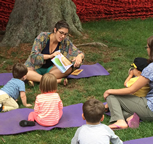
The biggest impact I can have to increase attendance at deCordova Sculpture Park and Museum is to foster personal relationships. Valuing and listening to visitors as individuals leaves a lasting and positive impression. What will visitors go home and tell their friends about? What will inspire visitors to return? What will inspire visitors to return and bring their friends? When I encounter children and their grownups during one of our family programs or during the hive – deCordova’s summer camp, I greet them, I learn their names, and I’m genuinely interested in how they’ve engaged with the activity. All frontline staff at deCordova have embraced this approach, not just our Visitor Services team. We also encourage visitors to make connections with each other too. Small conversations can lead to meaningful connections which build a vibrant community. We’ve noticed an increased number of regulars attending family programs and nearly half of the registrations for the hive are returning from last summer. There are scores of other high-quality leisure time activities competing for visitors’ time. Provocative and engaging art in the Park and in the Museum is our foundation. Our inventive and creative programs are one piece of the equation. Another is collaborating with the marketing team to share the many different ways visitors can experience deCordova. But I think the key is, from the moment visitors arrive at deCordova, they are welcomed with genuine warmth and that helps to make their experience special, personal, and repeatable.
Here’s one of the better things I think I try to do: I never pursue a program without an idea of the audience. Whether that's the audience I want or the audience I have, I try to sit down and think: who are they? how do I connect with them? do we have the right outlets already, or will I have to create them? are there any personal connections I can make with certain organizations, interest groups, or individuals who might have a wide reach?
Sometimes that thinking leads to partnership; sometimes it simply leads to some cold calls to people who might be interested; sometimes it leads to initial interest now but a more fruitful communication down the road.
I've also become a big fan of digging deep into Facebook's metrics and throwing some money at sponsored ads to reach very, very specific interest groups and demographics. That does not, in my experience, pay off as much with people physically attending a program (at least not at the same rate that a more personal appeal does) but it can generate buzz, get a lot of interest, and reflect favorably on your institution. Take it with a massive grain of salt, especially with all of the buzz out there about slacktivism, so be careful not to sink lots of time and money into this, but either taking a look yourself or having a conversation with the person who runs social media can be a small investment in time and a $25 investment in cash for pretty good results that then result in additional attention to your other Facebook efforts. (In short: I do think there's some value, I'm not sure how to measure it just yet, but it's worth experimenting with small dollar amounts and specific metrics.)

It is an age old conundrum because you simply can never have enough people attending events or visiting your museum. In order to boost attendance for museum tourists and guests, we try several different methods. Besides advertising in the local and regional town and Cape Cod guides (Falmouth Guide, Cape Cod Guide), as well as with the Chamber of Commerce and the local newspaper (Falmouth Enterprise, Falmouth Bulletin), we also try to create special reasons for people to visit. For instance, every week is “Free Falmouth Friday”—all residents of Falmouth can be admitted free to the Museums (normal admission, $ 5). We also try to create special reasons for people to attend. On Tuesday and Thursday mornings, for example, we host walking tours of Falmouth. After Labor Day, we conduct a series of historic trolley tours. We have a wide range of programs, lectures and events that give people myriad reasons for which they should stop by. And, we are willing to go outside of our mission to give people a reason to attend. Our most striking example would be our annual children’s “Teddy Bear Picnic & Tea” in which kids (along with their parents and grandparents) can make a teddy bear, decorate it, participate in games and have snacks, and then go home with their new family addition. Does it have anything to do with Falmouth history? No…but it provides a reason for younger families to come and visit our venue.
Our most successful means to attract an audience for events is through our email marketing (Constant Contact), our use of social media (our Facebook and Twitter accounts are incredibly advantageous) and the traditional posting in a newspaper (Falmouth Enterprise, Falmouth Bulletin, Cape Cod Times). We have been vigilant in making sure that we are tapping into 21st century technologies and using them to our best advantage. People make it a point to have their devices on them, be it their iPhone, tablet, computer or whatever. Knowing that, we feel that is our best avenue of reaching out to them.