From the Fellow: “What’s In It For Me?” The Answer is “We.”
By Alex Lehning, Director & Librarian, Saint Albans Museum
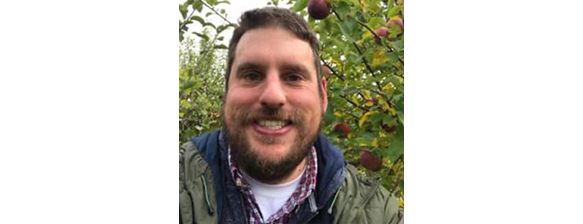
Alex Lehning (he/him) is the 2019/20 NEMA Fellow. As part of the fellowship Alex is writing a series of articles for the NEMA community.
“For better or worse, we live in a time of unprecedented individualism, when virtually every museum audience – visitors, members, donors, and employees – expect something in return for their engagement with the museum.” So began the official description of the 2019 NEMA annual conference titled What’s In It For Me? held this past November in Burlington, Vermont.
With this slightly incongruous theme, the challenge for those of us in attendance was clear. Could we meaningfully examine concepts such as individual choice and self-directed learning in our field by working primarily in groups - through a series of discussion panels, networking sessions, service-learning projects, and hands-on workshops?
As I discovered (and re-discovered) over the course of three days, the answer was “Yes.”
My inaugural session on Wednesday morning detailed the unique needs of seasonal museums. These sites are both reliant upon, and held captive by, their operational calendar. Programs and events are built around holiday celebrations or peak tourist visitation - an often overwhelming experience for both staff and visitors. I learned that the secret to self-care is rooted in simple, solitary acts: feed your staff/volunteers - none of us are at our best when ‘hangry.’ More importantly, however, was the lesson that truly sustainable self-care is a team effort. Museums that reported a strong sense of a shared mission, empathy, and camaraderie were the most successful at navigating the challenges of an “always on” season.
That sense of community and place was reinforced with the Indigenous Land Acknowledgement opening from local Abenaki leaders and artists prior to the keynote address. Dr. Gretchen Sorin shared her work on both her book and the upcoming documentary Driving While Black. During an inspirational, humorous, and informative talk- she reminded us that museums are not always welcoming spaces, and that we must recognize the stories we tell are fundamentally incomplete. For me, this call to action resonated with the heart of our work as cultural heritage organizations and museum professionals - stewardship is an ongoing process.
After lunch, I squeezed into a packed auditorium for a spirited discussion about the dynamic relationship between museums and educators. The connection here may seem obvious...but it was refreshing to hear both classroom teachers and museum staffers share their insights and ideas for engagement and student success. My top takeaways included advice about the importance of communication (learn the language of schools and museums), of community (created a sense of belonging and shared space), and of practicality (be mindful of school boards, parents, and professional development funding).
I was also fortunate to participate in the conference as a speaker, joining my fellow panelists for a conversation about communications strategies for small museums. I hope the audience felt they learned as much as I gleaned from them during our thoughtful discussion.
I ended my first day with a fascinating exploration of museums as “healing spaces.” The devastating impact of the opioid crisis has been especially prevalent here in Vermont, and it was truly inspiring to learn about the important role that art, history, and archaeology can play in strengthening and sustaining communities.
Thursday morning began with a panel on virtual learning, which highlighted the transformational role that technology can play in terms of bridging or reaching new audiences. With solid community partnerships and a commitment to innovation, institutions of any size can become a ‘museum without walls’ for today’s cultural and educational landscape.
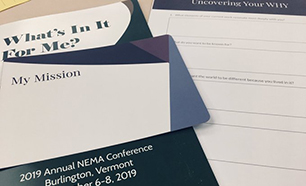
One of my most profound conference experiences involved an interactive workshop designed to develop a personal mission statement. It was my privilege to listen to so many brave, inspiring, and outstanding museum champions from across our professional spectrum. Self-reflection does not always come easy - especially in the nonprofit sector, which often prioritizes sacrifice over sustainability. I left the room feeling reinvigorated and renewed, with a sharper sense of purpose and perspective. I keep a copy in my work bag:
My mission is to listen and advocate so that knowledge and information can serve as tools for positive growth and impact - for my community and the world.
To my colleagues throughout New England’s museums, archives, and galleries: I encourage you to find some small way to remind yourself why the work you do is so vital to others, as well as for yourself. Over the past few months, I have returned to this small notecard on a number of occasions...especially on days that seemed destined to result in burnout. Mental and emotional health is just as important as physical health, and I am grateful for this new tool in my everyday kit.
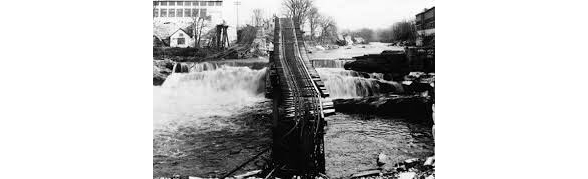
1927 Vermont flood, Vermont Historical Society
That afternoon was focused around professional development. The session on emergency management and disaster planning was invaluable (if your organization does not have a formal plan, I urge you to start drafting one as soon as you finish reading this issue). Like finance and fundraising - it’s not always an easy or fun topic - but it is one for which we all share responsibility. Fortunately, Vermont (as well as many other states) has a formal network which offers resources, templates, and other guidance in this area.
I followed that with a presentation on the importance of assessment. Life really is all about the data, but in a good way. I left with a new understanding of evaluation methods and tools - it was an important reminder that our exhibits, programs, and events can all benefit from a stronger understanding of our audience and the outcomes we strive to achieve.
On Friday morning, I was invited to attend the Trustees breakfast. I walked away feeling grateful for the above-and-beyond efforts of NEMA’s staff and Board volunteers...the time and talent they devoted behind the scenes to this conference ensured a positive and profound experience for the rest of us.
As I moved through the remainder of the conference, I jumped between a variety of sessions. I journeyed through the world of podcasts and video booths - gleaning practical tips for finding new ways to incorporate diverse voices within our museum storytelling, as well as modern methods for reaching new audiences. I learned about giving voice to a sense of place where objects are silent, and explored new thinking around agency in collaborative ethnography.
As Whova (our conference app) often reminded me, I was not able to attend everything on my wish list. I was proud of the diversity of experiences, ideas, and perspectives that our conference activities offered. Museums are not limited to the debates of the past - cultural institutions have a vital role in contemporary conversations about the climate crisis as well as inclusion for indigenous, LGBTQ+ and communities of color.
Without a doubt, I departed the annual conference fuller than when I first entered (my new tote bag, swag, and books notwithstanding). Four months later, I know that all of it - the professional development opportunities, time with friends new and old, complaints about the snow, and too much coffee (!) - has strengthened my professional career and my personal connection to this work. Perhaps more profoundly, I have a greater awareness and respect for the interconnectivity that drives and defines our field.
As I wrote on my leaf during a break at the Poet Tree - “What’s in it for me? History is We.”