
This feature introduces you to colleagues in museums around New England. It’s often too easy for colleagues to feel isolated in their institutions—we hope this feature will break down the distances a bit. We also hope that it will reinforce your own enthusiasm for your work and cause you to reflect on the positive contributions that you make.
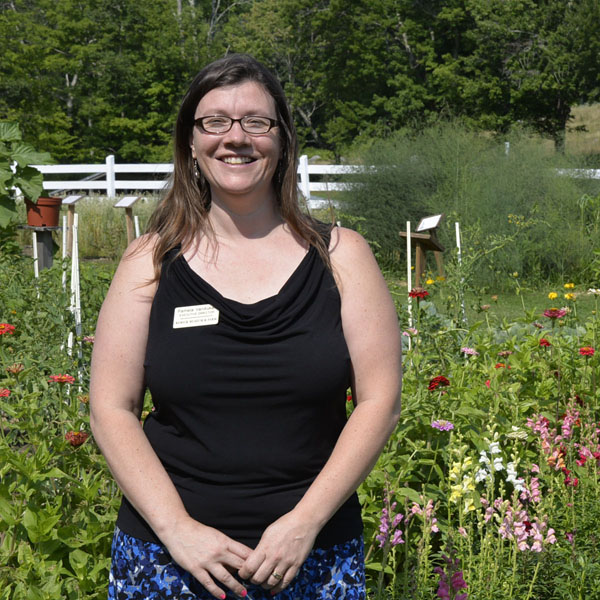
In this edition of the NEMA Member Profile, we’re featuring an institutional NEMA member - the Remick Country Doctor Museum and Farm, located in Tamworth, NH. We spoke to Pam Van Auken, Executive Director.
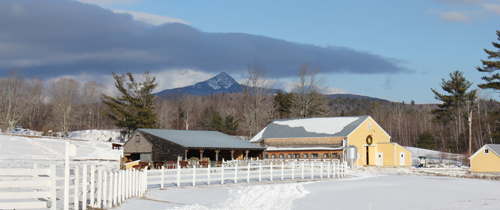
Tell us a little about the museum and farm. Who was Dr. Remick? What were some of the challenges he faced as a country doctor in rural NH?
The Remick Country Doctor Museum and Farm in Tamworth Village is a unique museum that recalls two generations of country doctors who served Tamworth and the surrounding area for almost a century. Dr. Edwin Remick and his son Dr. Edwin Crafts Remick treated patients for 99 years, from 1894 to 1993. For most of that period, the Remicks were the only physicians in Tamworth. The younger doctor bestowed his property (his own home as well as his father’s home, along with the farm they both ran) as a museum so future generations would have a better idea of what the lives of country doctors and farmers were like in the 20th century.
The life of a country doctor was not easy in the late 19th and early 20th centuries. Dr. Edwin Remick would make house calls by horse and buggy or sleigh, starting at 9 or 10 in the morning and returning only when the calls were finished. He charged $1 per house call, and $2 if the house call was after midnight. Dr. Edwin Remick actually opposed his son’s decision to become a country doctor, because of the hard life and long hours, and would have preferred that he become an attorney.
After the older Dr. Remick died, the young doctor Remick continued the medical practice alone for another 58 years, keeping his office in the Captain Enoch Remick House and keeping the farm running, too. He did not make a lot of money on his practice, charging only $17.50 for an office visit in 1993. He and his wife had lived rather modestly, although they did spend six weeks in Florida every year in the 1950s and 1960s visiting the Red Sox training camp. Before he died, he set up a foundation to maintain and operate his property as a museum.
What does a typical day look like for your staff, volunteers, and visitors?
We are a year-round museum. Typically during the school year, we are busy serving school (field trips as well as homeschooled groups and story hours) and community groups. We interpret the life of a country doctor, as well as the agricultural way of life. During the summer, we offer a daily tour schedule that includes a milking demonstration, a farm tour, and a tour of our Captain Enoch Remick home (the young doctor’s childhood home, now on the National Register of Historic Places).
We offer workshops ranging from basket making, gardening, herbal workshops, and raising farm animals. We also have foodways programs where we offer a variety of opportunities including cooking demonstrations, country dinners, and our Hearthside Dinners, which are 19th century, hands-on dinners cooked on an open hearth, with interpreters dressed in period clothing. We have a great source of volunteers who help tend to our gardens, paint our fences, teach workshops, and even serve as docents, offering tours of the Captain Enoch Remick House.
Because your site is a working farm with living collections, how does it change season-to-season?
Our farm offers a variety of animals including goats, sheep, chickens, cows, and pigs. In the spring, we experience the arrival of babies with the birth of piglets and calves, for example. We have seasonal herbal gardens and a large greenhouse with vegetable gardens that come alive from spring through fall, culminating with our annual Harvest Festival held in late September. From June to September, we offer tours of the Captain Enoch Remick House, which houses some of our oldest pieces of the collection.
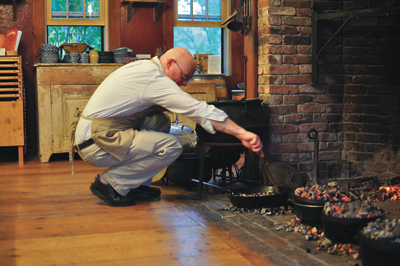
During the winter we offer our Hearthside dinners, host school groups, and organize our annual Ice Harvest Festival where we demonstrate many winter activities on a farm, including ice harvesting demonstrations right in our own pond. The ice is cut and harvested by visitors and staff, then hauled to the ice house by a team of working steer/oxen by our local 4H programs. Year-round, you can tour the museum exhibits and the barns.
Is there one object from Dr. Remick’s medical kit that stands out to you as truly representative of the country doctor’s life? Why?
There are so many great pieces, but one is the leather case with vials of different medicines that both doctors carried to house calls, since they typically served as pharmacists as well. Another favorite of the staff is the list of barters they kept in their bag which they would take in exchange for medical services.
Who is your audience? Looking to the future, who would you like to reach?
We offer opportunities for all ages. We typically are most popular amongst families since we have the farm animals to see and feed but we offer many adult-focused workshops, along with the hearthside dinners that are for adults. We get folks visiting from right here in Tamworth and surrounding towns, and we do get folks from across the country and from other parts of the world.
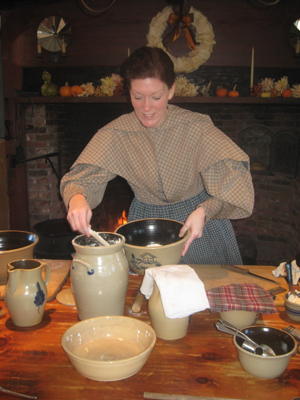
We offer a variety of educational programming options that help us teach children and adults about historic medicine versus modern medicine. We talk about the differences between historic and contemporary methods of housekeeping, harvesting, and animal care, for example.
We own over 400 acres of land throughout the town, including some with hiking trails that bring visitors and the community through forests, along hay fields and rivers, giving them an opportunity to explore all that nature has to offer. Some exciting things you will experience include bird watching, stone walls, wetlands, a vernal pool, pasture lands, a farm pond and many different plants, trees and wildlife to admire. Visitors and the community can utilize these opportunities to learn about New England ecology and conservation.
We have a magical place here with something for everyone: museum folks, farm folks, families, adults. We still are a hidden gem though, so our goal is to continue to reach those that don’t realize we are here or haven’t taken the opportunity to come inside yet!
How do you engage the local community around the museum? How do you balance their needs and programmatic interests with the seasonal tourists around Tamworth?
We offer free admission to Tamworth residents every Friday throughout the year. The museum also collaborates with area businesses and other non-profits to come together in joint ventures which support each other’s activities and needs.
We offer a summer camp opportunity for children ages 5-12 that’s open to everyone, which is a big attraction for area families. We host weekly and bi-weekly community art groups, free of charge and open to the public, to encourage local residents to take advantage of the space and offerings at the museum as well. We also have a farmstand here where we sell our own vegetables, herbs, farm raised meats and eggs to the community and to museum visitors.
Can you describe how you tap into the locavore movement with the foodways and heirloom seeds programs?
We have a fantastic greenhouse and garden where we grow herbs, vegetables, and flowers. We use these items along with our farm raised meats and eggs to offer Country Dinners, brown bag lunches, and Hearthside dinners that all include these fresh, farm grown products. We also sell some of these items in our store and farmstand, and host workshops encouraging sustainability through self-reliance (gardening, making herbal products, seed saving, etc).
We do grow many heirloom varieties of vegetables and also practice natural growing methods in our gardens. We do not use any chemicals. We also offer many Remick-made products in our gift shop, like homemade soaps, beeswax candles, and homemade gifts, plus a cookbook that includes many of our Remick-made recipes. We promote local artisans by offering their products on consignment in our gift shop as well.
What’s the most challenging collections item (animals included!) to house on your site?
Our historic clothing would probably top the list. We have items dating back to the late 19th and early 20th century, including Victorian mourning clothing, wedding attire, and many accessories such as hats, gloves, hair pins, and jewelry. We do not currently have a climate controlled environment or proper storage facilities for our over 10,000 objects collection. We’re seeking grants in this area in the hopes of funding this most important area of our museum and our mission, to preserve and protect the Remick property and collections for the benefit of the public.