
Make Museums Great Again? Fear of Change in Museums
Anyone who has worked for me has heard my favorite old adage, “Change is the only constant.” I have seen 200 interns (yes, I counted them) and numerous staff through countless institutional changes. The roils of change were so continuous we lived in a constant state of low-grade institutional motion sickness.
6 Ways Millennials are Changing Charitable Giving
Millennials care more about others than you might think. The 2015 Millennial Impact Report reported that 84 percent of Millennials made a charitable contribution in 2015. The truth is, Millennials do care about things other than themselves, and they are willing to contribute to worthy causes. In fact, they are changing the very face of nonprofit giving. If you want Millennials to donate to your cause, you need to know what motivates them, how they give, and what types of causes they prefer. Once you know these things, you can tap into their substantial incomes.

Creating compelling, share-friendly content for your arts organization
For busy—and often solo—arts marketers, the task of creating engaging, thoughtful social media content can seem daunting at times. You know your social audiences want a post that gets them excited about what you do, that inspires them to interact with you … and maybe even share your post with their own networks. That’s why they followed you in the first place, right? Right.
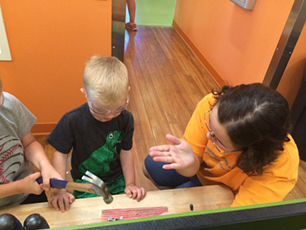
What does a successful maker space in a children’s museum look like? Interview with Dr. Michael Hanchett Hanson
Rebecca Herz interviewed Michael Hanchett Hanson about maker spaces because of his expertise in fostering creativity in educational spaces. Dr. Hanchett Hanson is a psychologist who studies creativity from systems perspectives – how new ideas are integrated into people’s points of view and into social groups. In particular, he has done a great deal of research and writing about educational systems, and he directs the Masters Concentration in Creativity and Development at Teachers College, Columbia University.
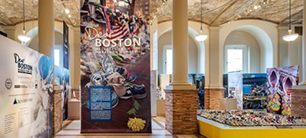
Three Ways History Organizations Can Collect and Interpret Memorials
When faced with tragedies, communities may find healing in creating memorials. Museums and other sites are increasingly choosing to collect and interpret the story of the memorial alongside that of the event that prompted it. Discussed are three techniques from Leadership in History Awards winning projects for remembering tragic events and honoring those who were impacted, as well as ideas for collecting and interpreting memorials
Going to a conference? How to make the learning last
Have you ever participated in a professional development conference where you listened intently, asked a few questions, and dutifully took notes, only to discover that the most memorable parts of the conference (besides the cookies) were the conversations you had in the hallways or during lunch? That’s a risk in our too-busy and technology-saturated lives: learning and retaining what we’re learning seems harder.
Navigating Identity in Nonprofit Leadership
Navigating social identity, or the various attributes and beliefs that make us different from others, can be tricky in the nonprofit workplace, but doing so is critical to leading effectively. As part of a leadership development training that Community Resource Exchange (CRE) conducts with nonprofit managers called the High Performing Managers Initiative, they recently invited more than 40 emerging leaders to reflect on the question of how identity matters to their leadership. Several themes emerged that serve as a lesson to all of those in leadership at nonprofits.
4 Things Exhibit Developers Can Learn From Trevor Noah
Paul Orselli recently read Trevor Noah’s recent Born a Crime book. He kept thinking about four key aspects of Noah's narrative that are worth keeping in mind when crafting the stories to share in your next exhibition project.

Cartoons by John Atkinson. ©John Atkinson, Wrong Hands
