
From the Fellow: Moving towards the 'new normal'
By Alex Lehning, Director & Librarian, Saint Albans Museum
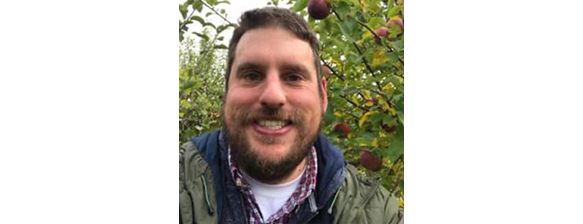
Alex Lehning (he/him) is the 2019/20 NEMA Fellow. As part of the fellowship Alex is writing a series of articles for the NEMA community.
COVID-19 is reshaping our work as well as our society - day by day, minute by minute...March 13 seems like a lifetime ago. Museums are bravely responding to this new world with virtual programming, digital exhibitions, online fundraising, and for those able to reopen safely here in New England, a socially-distanced visitor experience. As a community, we grieve together: mourning the loss of colleagues and friends, of positions cut or furloughed, of cultural organizations facing no other option than to close, and the loss of normalcy and seasonal routine. Everything we know feels like it has been fundamentally turned upside down.
Despite these significant challenges, we can also make room for optimism. As trans-disciplinary institutions, museums are uniquely positioned for this moment: understanding the lessons of collective memory, cultural heritage, and community response is especially important during times of crisis. Responsible and ethical stewardship - serving as caretakers of culture - is the gift which we offer the world.
While especially true for smaller museums, galleries, and libraries/archives operating with a limited (or all volunteer) staff, many of us will recognize the familiar rite of passage of performing multiple roles in a single day...all at once, we are asked to be educators and curators, fundraisers and tour guides, marketing pros and researchers, exhibit designers and data mavens, event managers and first responders - to meet the needs of both our guests and our facilities. When properly resourced, this existential limbo provides staff with an opportunity to be agile and adaptive in service to our mission. In practice, however, this formula often translates instead to burnout. Heavy indeed are the heads who wear so many hats.
The tension of this dynamic is especially apparent within one of our most vulnerable museum worker populations - interns.
Internship positions represent a traditional gateway into our field - a mutual agreement to provide necessary experience (and often academic credit) in exchange for staff capacity around a diverse set of tasks. My own career in public history began over 10 years ago with a summer internship in a conservation lab that offered a modest living stipend...it did not quite cover the rent, but my position directly led to subsequent volunteer, part-time, and eventually full-time opportunities in museums. I recognize my good fortune in that regard, and owe elements of my research interests, work ethic, and leadership style to my first supervisor, now a trusted friend and mentor. Unfortunately, many positions are not compensated appropriately (if at all), and were at-risk even before the current economic climate was re-shaped by new public health practices.
During these extraordinary times, it makes sense that we don't quite trust the ground beneath our feet. I will be the first to admit that I was skeptical of the calls for innovation within our field as the coronavirus crisis was developing. How could we possibly think of the future when the endless present of the pandemic required our full attention? Thankfully, time and reflection - along with advice and guidance from museum leaders and advocates - have allowed me to accept some of this new wisdom. Complicating and compounding this challenge, we are asked to navigate all of this with significantly reduced revenue: the loss of admissions, membership dues, grant awards, donations, programming fees - and personnel. Looking ahead to the next 1-3 years (and their respective budgets), an internship position may seem like a luxury...viewed perhaps as an indulgence or a misguided priority, beyond the reach of anticipated operating needs, available funds, or supervisory capacity.
Of course these represent legitimate concerns, but I strongly encourage you to reframe the question. It’s clear that life during COVID-19 (and the post-pandemic future) will represent a new chapter in how cultural heritage organizations operate. We are constantly adjusting to a ‘new normal,’ and there is simply no going back to ‘the way things were.’ Hidden behind that loss is opportunity. If museums must change to thrive (not just survive) through and beyond this historic moment, then how can we not afford to invest in our people - and thus our mission - when we need them the most? An intentional, sustainable, and equitable internship program can serve as the foundation for a vibrant, creative, and resilient staff culture. Any arrangement should include appropriate compensation, such as hourly wages, a living stipend, housing, wellness benefits, and/or academic/professional development.
As a solo executive director for a small regional museum, I know firsthand that interns help safeguard and strengthen our institutions through a variety of efforts, both large and small. By re-committing to these types of positions, we can ensure critical support and capacity. As we are being called to reimagine, reinvent, and redefine our work - often in a digital landscape - how can we utilize these talented and passionate folks? The technical skills, unique perspectives, and innovative energy of students - as well as gig workers/freelancers, consultants, and others mapping new career pathways - are vital to any successful organizational pivot. As museums shift their approaches to programming, collections, fundraising, etc. - we can also adapt our internship assignments and responsibilities to meet this current crisis and future needs. Here are some recommendations:
1. Content > Collections: In the coming months and years, many of our visitors (and members/donors) will be virtual. Translating hands-on experiences or life-size models into a screen-sized offering is not a simple task - but online exhibitions also come with their own advantages, including options for almost limitless storage and distribution of audio, images, and text. There are a number of free, high-quality apps and platforms which can help you reach new audiences while providing instant access (even if your physical site remains closed). Technological barriers are a valid concern, but most solutions are simple and intuitive, or offer extensive help and support. You could offer these resources openly, or as benefits of a membership program or fundraising event.
Example: Our museum is in the process of launching three digital exhibitions (featuring approximately 30 historic/object images each, as well as captions and audio), providing digital ‘gallery talks’ and streaming/pre-recorded field trips, and recording our fifth podcast episode via Zoom...all new programs made possible with the support of a part-time intern. After our town’s Maple Festival was cancelled in April (a 50+ year tradition), we partnered with the organizers to create an online exhibition - “A Sweet History” - to share photographs, recipes, and memorabilia from years past. It is a simple but powerful way to acknowledge the disappointment felt in the community while bringing people together virtually to celebrate our common heritage. Our audience will have a variety of reasons for exploring: nostalgia, curiosity, scholarly/school research, or simply as a valuable distraction from the current news cycle. Thinking beyond the current physical location and disposition of your collections, how can you embrace a broader view of the content you have to offer?
2. Prioritize DEAI: The American Alliance of Museums defines these values for cultural organizations:
- Diversity: ‘understanding how people are the same and different, while encouraging full representation’
- Equity: ‘ fair and just treatment through action and assessment’
- Accessibility: ‘creating space and ensuring equitable access for all’
- Inclusion: ‘intentional, ongoing effort to ensure diverse individuals are fully integrated and participating across the organization’
Internship positions and projects represent unique opportunities to identify and amplify a range of perspectives. Cultural organizations have a troubling legacy of deliberate marginalization and favoring privileged narratives. How can you invite and integrate new voices in your work?
Example: Our museum collaborated with an area graduate student to curate an evening of storytelling at a local state park. Recognizing that most of our historical conversation around this site relates to 19th & 20th century recreational usage, we invited local indigenous leaders to share their stories, perspectives, and legacy of the bay as well. Area students were also asked to document the event through audio, photography, and journaling.
3. Enhance collaboration: If you are facing challenges/doubts around funding an internship position, consider how you could partner with other arts, archival, or educational organizations in your community. Sharing capacity between mission-driven institutions could provide a variety of benefits for both the intern and the organizations they serve. Or perhaps there is a local company or municipality celebrating a significant historical milestone? Project-specific internships are great opportunities for working together across sectors and securing support.
Example: Our museum recently launched a ecology/history STEAM workshop series which brought together state/federal agencies and nonprofit advocacy organizations to provide place-based water quality enrichment programs for over 1100 students in two years. This fall, we are planning to come into classrooms digitally...and our work was funded by multiple grant awards which were only possible because of this unique multi-institution arrangement.
4. Expand your horizons: While you may reserve your entry-level internship program for students or recent graduates, you should also consider an enhanced fellowship position. Many museums are facing a turbulent transition, and an unfortunate reality is that there are many talented, engaged, and successful museum professionals who are under- or unemployed. They may be able to provide the expertise and experience your organization needs at this moment, through a mutually-beneficial bridge position or as an independent consultant. You should also consider how you are documenting COVID-19 in your community. Video conferencing and digital communications also open up a whole new world of possibilities for communication and collaboration. Your intern could connect with scholars, thoughtleaders, or other students and professionals from around the world - not just around the block. Traditionally, collections are interpreted through objects and text...how might technology allow you to embrace alternative formats such as video, or to reach new audiences through social media? Citizen curation and digital volunteering are also an exciting new way to attract and engage a broader audience.
Example: Our museum received a grant to connect senior communities and students through facilitated digital conversations - designed to address both social isolation and to strengthen inter-generational dialogue as a positive force during these challenging times.
Life under quarantine has fostered an intense atmosphere of introspection, reckoning, and re-evaluation of what it means to be a museum in 2020 - and beyond. We can choose to meet this moment by investing in people (including interns), embracing new technology and methodology, and acknowledging the inevitability of change. By moving towards that 'new normal,' rather than away, we provide our cultural organizations with a much-needed opportunity to emerge from the pandemic on positive footing.