
Making the Most of Outdoor Space at Your Museum
By Chuck Clark, Executive Director, Castle in the Clouds
For centuries people have been coming to the Ossipee Mountains in the Lakes Region of New Hampshire to connect with this beautiful natural setting. The spectacular views and the ability to connect with nature were driving factors when industrialist Thomas Plant chose to build his retirement estate here in 1914. He even chose the Arts & Crafts aesthetic, with its focus on using natural materials and harmony between the built and natural environment, when designing the buildings. Today his estate is known as Castle in the Clouds and it still draws thousands of people each year to the scenic mountain tops above Lake Winnipesaukee.
Our challenge at the Castle, like at many historic homes, is to find new ways to connect with our visitors and engage them with our work to preserve and restore the estate. After an extensive strategic planning process, the staff and board laid out a roadmap for the continued growth of the organization. While ongoing work to restore and share the estate’s historic buildings will always be a cornerstone of what we do, embracing the landscape around them means that we can better tell the full story of this place. Outdoor programming helps us to more deeply engage with our community. It also allows for new and creative ways to increase revenue, as well as stretching our impact beyond the typical summer and fall tourist seasons.
Many museum teams may struggle with the same question that we did: If we focus on outdoor activities is there risk of straying too far from our mission? Ultimately we decided that forging connections between visitors and the museum can happen in many ways. Having a wide array of programming and activities is the best way to invite the community to participate. Because the land was as important to the people who lived here as the buildings, we feel that encouraging our visitors to enjoy the outdoor spaces around the museum is just as important as inviting them to tour the house. Finding ways to do that successfully has taken hard work and focus, but the benefits of doing so are plentiful. Notably, these programmatic offerings have attracted many first time visitors. The power of the landscape as an invitation to build a deeper relationship with the organization is exceptional.
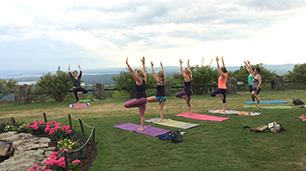
A key component of our success with outdoor programming is that it has been driven largely by mutually beneficial partnerships. We have built a rotation of regular programming in conjunction with the town Parks and Recreations Department, with great success hosting a series of sunset and full moon hikes throughout the year and a family fun day each August in our meadow. That mountaintop field was also a tempting spot for the New Hampshire Astronomical Society. Our partnership with them has allowed visitors to engage in activities ranging from a viewing of last summer’s solar eclipse to a recurring Stargazing program that brings families from across the region to learn about astronomy from experts and enthusiasts. As you consider how to best utilize the outdoor spaces at your museum, identifying key partners may be an important early step. The other key benefit of partnership is how it expands the museum’s capacity. A small team working with strong partners can execute more complex and frequent programming. Partner organizations bring different resources, talents, and connections that are beneficial when developing new and recurring programs.
One of the biggest challenges when using outdoor spaces is the weather. Conducting programming that is dependent on participants being outside can be daunting when facing spring rains, summer heat, or winter snow storms. However we have found that even on the coldest or rainiest days of the year there is still an audience for activities and programs. This proves that our local community is here year-round looking for things to do. In particular our outdoor spaces allow us to embrace winter activities as something we can offer to our community. Snowshoe hikes, cross country skiing, and a cardboard box sled derby are just some of the activities we have offered this winter. Combined with newly opened snowmobile access and a winter menu in our onsite restaurant, this programming has helped keep the Castle and our educational and preservation mission top of mind with the local community year round.
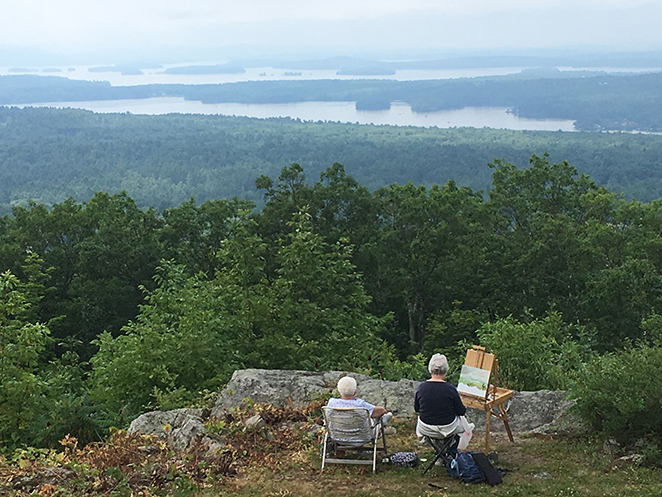
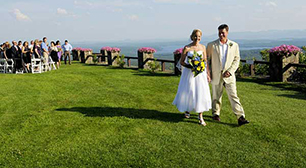
The potential for generating new revenue to support the organization is also an important aspect of outdoor spaces. While many free or low cost programs provide added value to a regular museum visit, other signature events, like an annual Car Show, can provide a much needed boost to the bottom line. Other offerings like theater in the park productions, educational hikes, and landscape art classes are appealing to corporate partners that want to sponsor something fun, educational, and community oriented. Like its indoor cousin, outdoor programming also presents an opportunity to encourage participants to become members or to plan a return visit for a tour. Museums should also be thinking about how to leverage their outdoor spaces as rental opportunities for individuals and businesses. Outdoor wedding ceremonies and receptions, music festivals, or company picnics can all create significant income for a museum, while avoiding the risk of damage to a historic building or important collection that comes with having an indoor event.
Even if your museum isn’t on top of a mountain like ours, nearly all museums have outdoor spaces that could be better utilized in service to our missions. While the challenges of managing visitors in an uncontrolled space, dealing with the changing weather, and the potential for mission creep are real, the benefits in terms of community engagement, new revenue, and expanded opportunities far outweigh them. Museums that can maximize their use of outdoor spaces will find themselves stronger for taking on these challenges. Get outside and the sky’s the limit.